- PA Newsletter
- Posts
- Next-Gen Sustainable Architecture
Next-Gen Sustainable Architecture
Next-gen sustainable architecture blends smart tech, low-carbon materials, and human-centric design
Dear PA reader,
A new phase is emerging where sustainability, technology, and human experience operate as one integrated system. Low-carbon materials, adaptive reuse, and computational workflows are reshaping the built environment to respond to climate urgency and evolving lifestyles. This shift reflects a Gen Z mindset which is efficient, conscious, and seamlessly connected to both data and nature.
Material Innovation & Circular Thinking
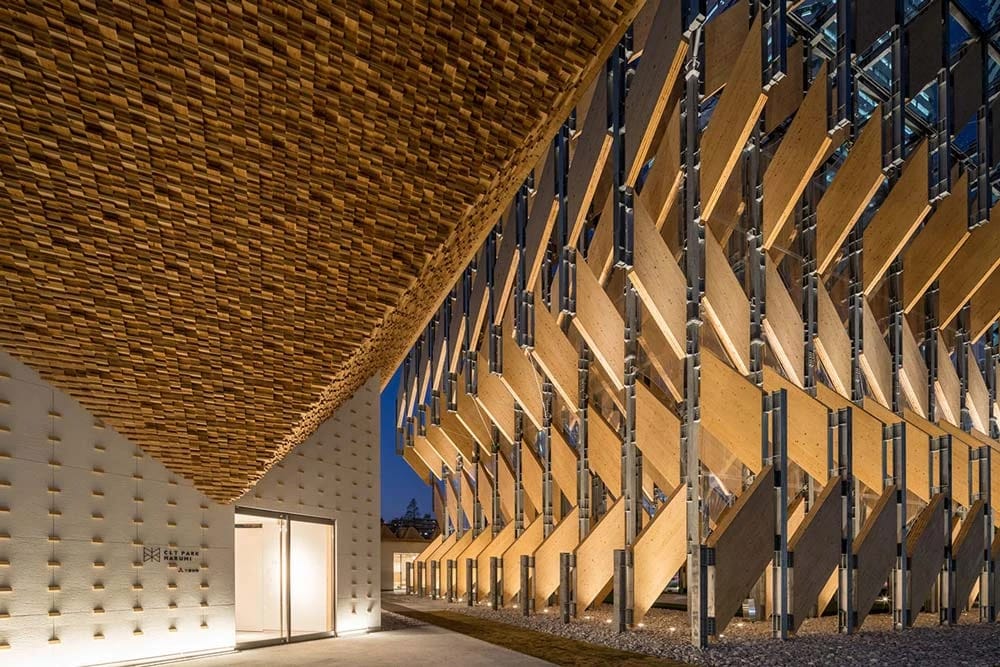
Engineered mass timber is emerging as a scalable, low-carbon alternative to traditional construction, redefining structural systems with sustainability at the core. At the same time, the challenge of construction and demolition waste is accelerating circular construction strategies which include recycling, reuse, and lifecycle-based design. Together, these approaches signal a move toward regenerative architecture, where material efficiency and environmental impact are central to every decision.
Evolving Aesthetics & Human-Centric Design
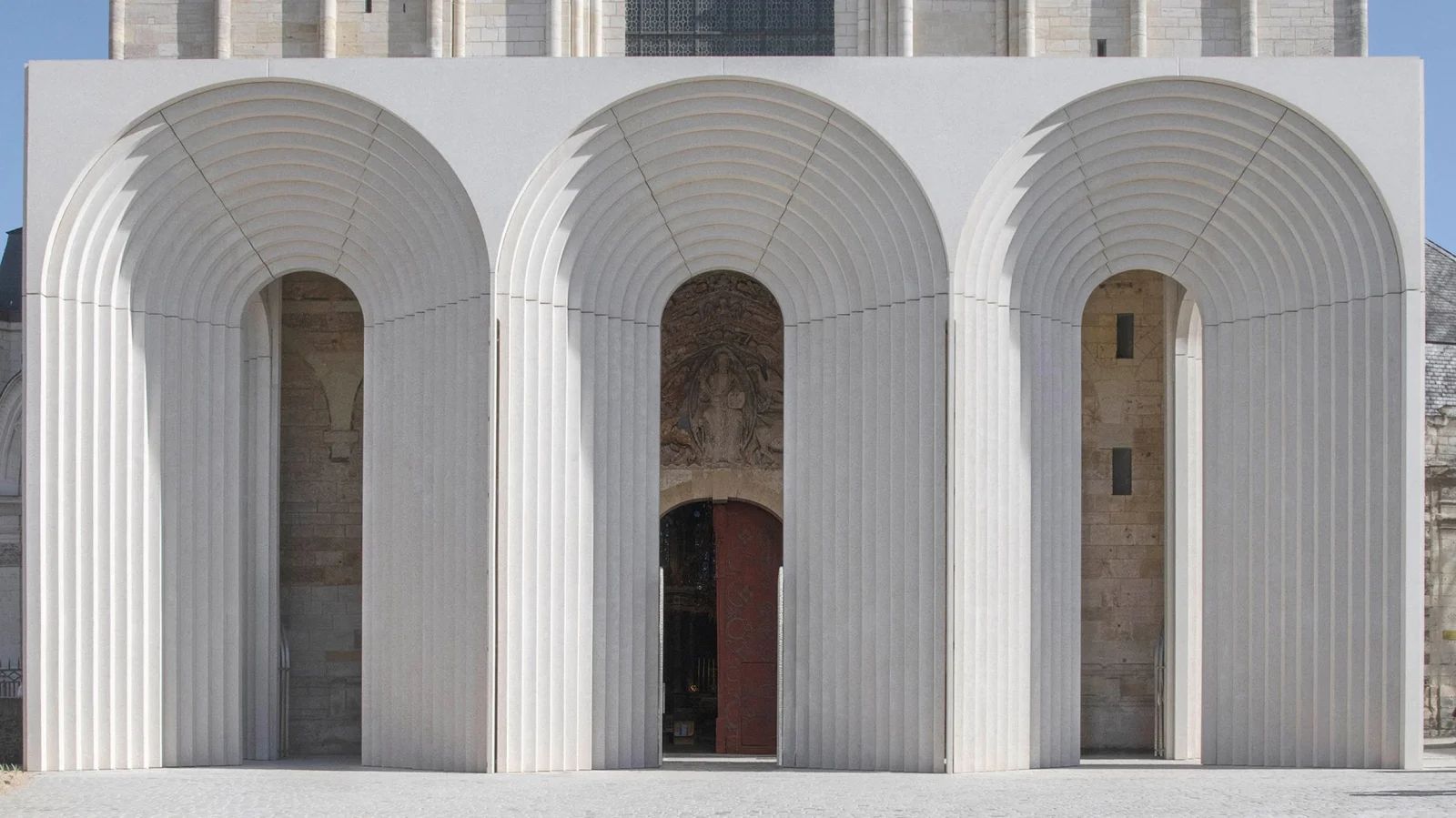
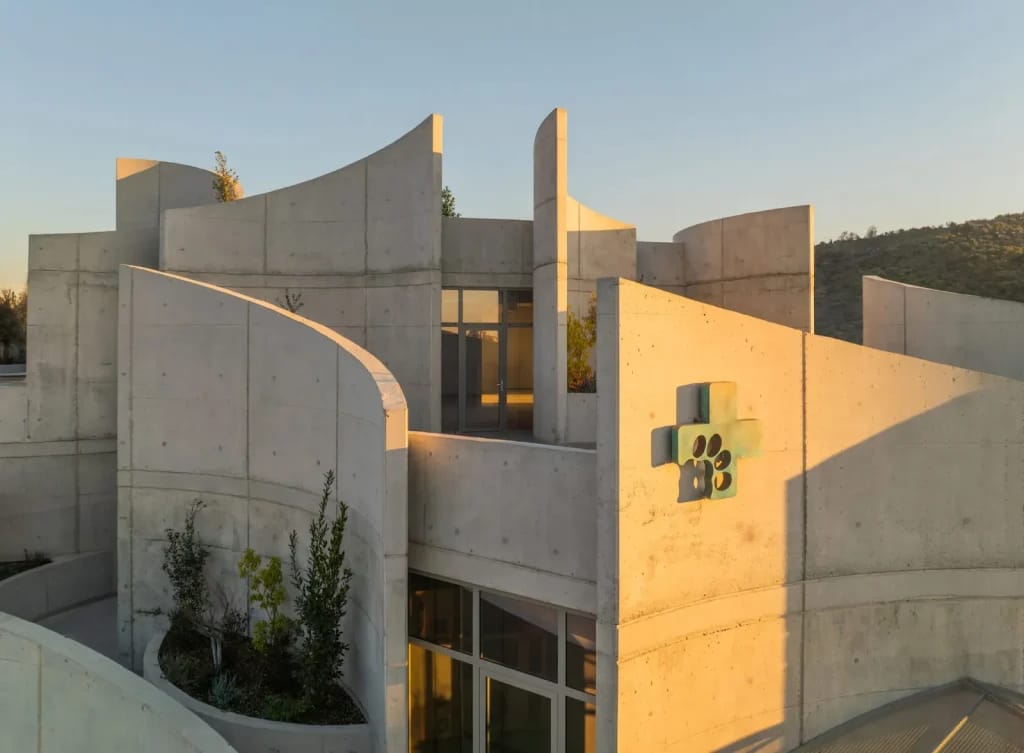
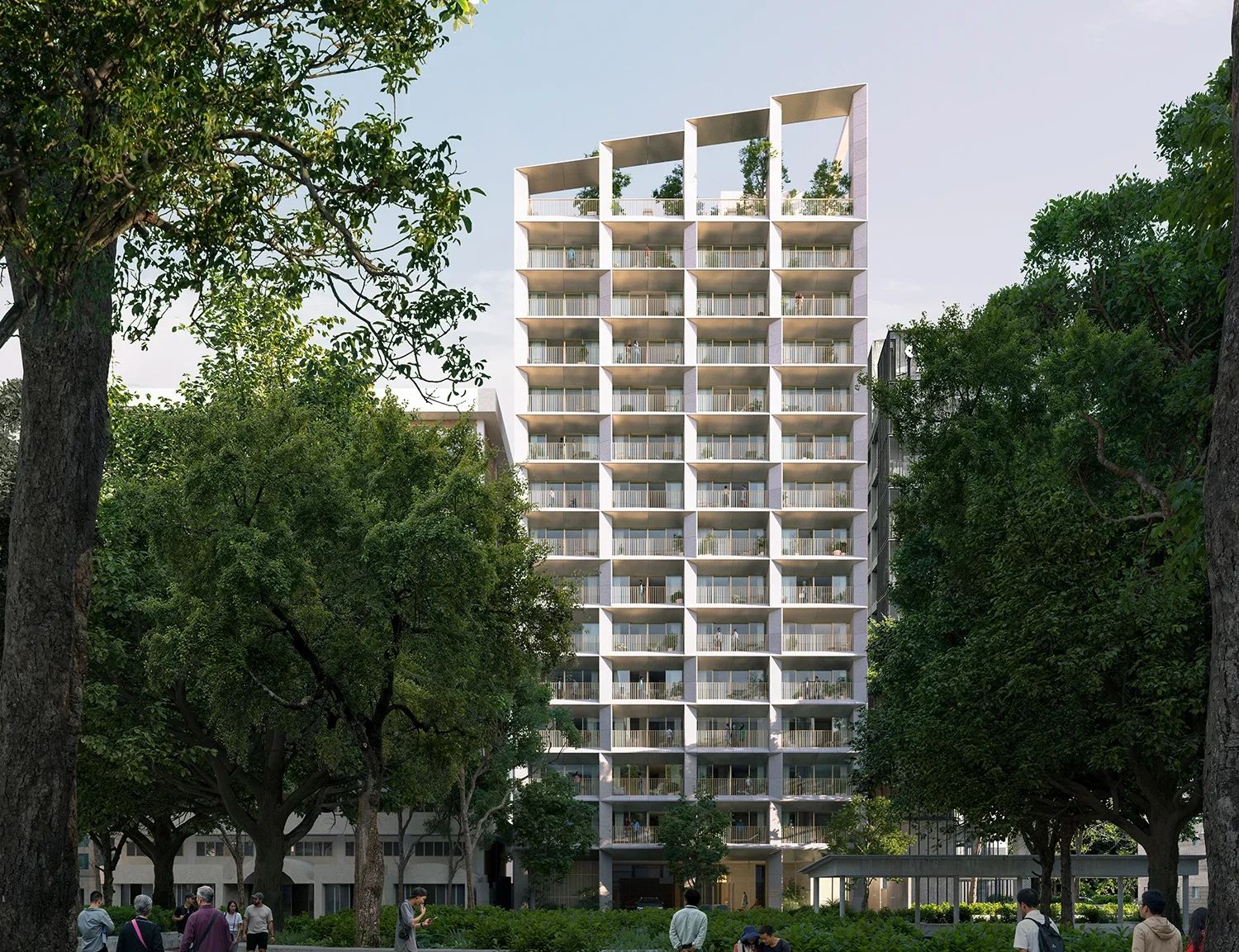
Brutalism is evolving beyond its concrete roots, embracing softer materials, greenery, and contextual sensitivity. Projects rooted in industrial heritage are being reimagined through adaptive reuse and nature-centered design, while light-responsive residential towers highlight the growing importance of daylight and well-being. Even contemporary interventions in historic settings, like sculptural arches integrated into Gothic architecture that reflect a balance between innovation and cultural continuity.
Digital Intelligence & Future Urbanism
Computational tools like Grasshopper plugins for urbanism and master-planning are transforming design into a data-driven, parametric process. This digital intelligence allows architects to scale ideas efficiently while responding to real-world complexities. At an urban level, infrastructure such as pedestrian- and cyclist-focused bridges points to more inclusive, low-impact cities. The result is a smarter, more connected built environment where technology, sustainability, and human needs align seamlessly.
🚀 If you are looking to learn about computational design, PAACADEMY offers everything you need under one Full-Access membership. Be sure to check it out!
The Rise of Engineered Mass Timber in Global Construction
5 Inspiring Ways Brutalism Is Evolving Beyond Its Concrete Roots
Henning Larsen Designs a Taipei Residential Tower That Lives With Light
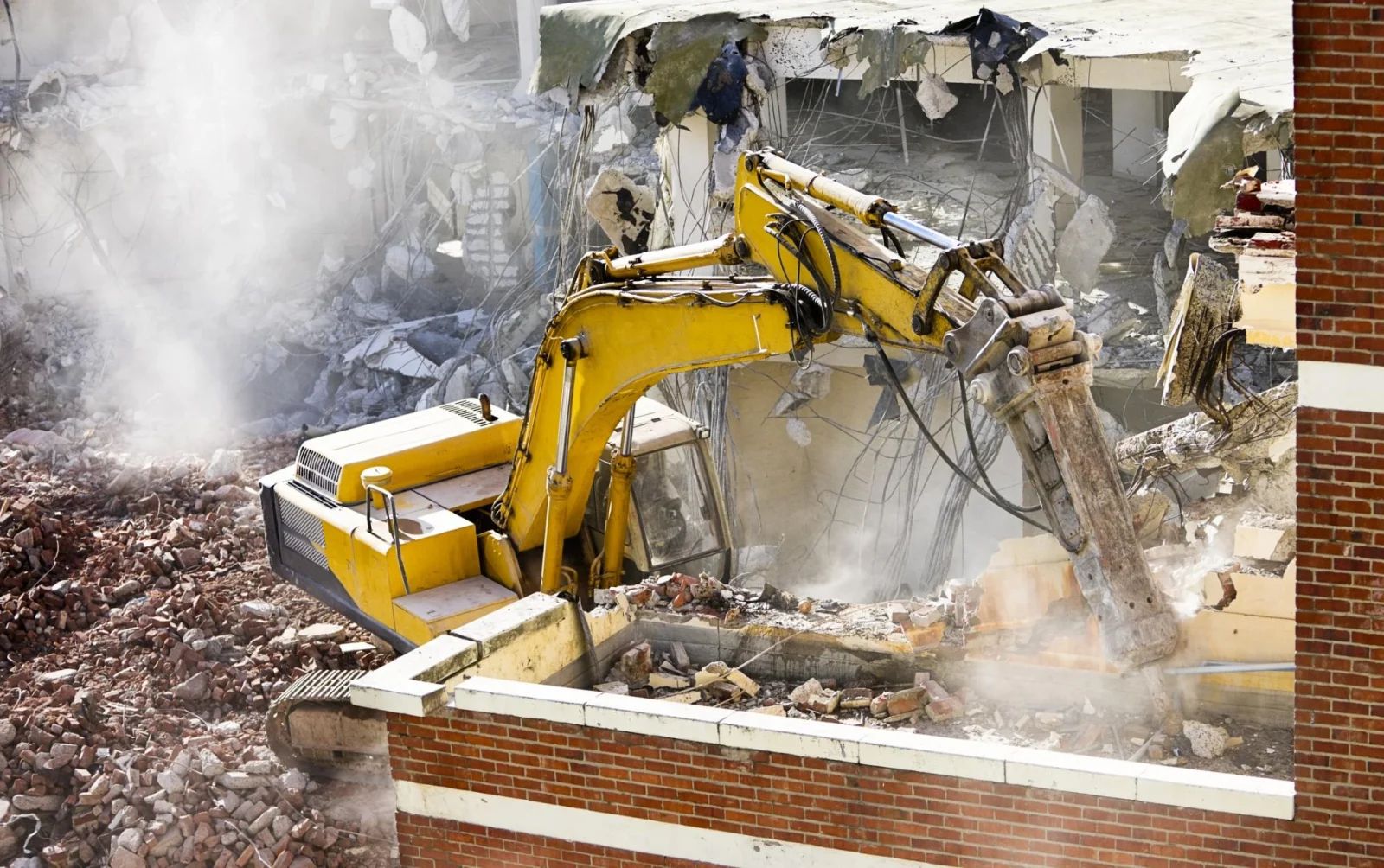
The Global Battle of Construction & Demolition Waste: How Leading Regions Are Fighting Back
 AI-Powered Interior Design in Architecture 2.0This workshop is designed to introduce a new generation of AI-driven workflows specifically tailored for interior designers. Participants will explore how to combine powerful AI tools to accelerate every phase of the design process. The workshop is scheduled for June 6 & 7, 2026. |  Parametric Pavilion Design: From Concept to FabricationThis workshop provides insight into practical design-to-fabrication workflows in Rhino and Grasshopper for the development of small-scale architectural structures. The workshop is scheduled for May 9 & 10, 2026. |
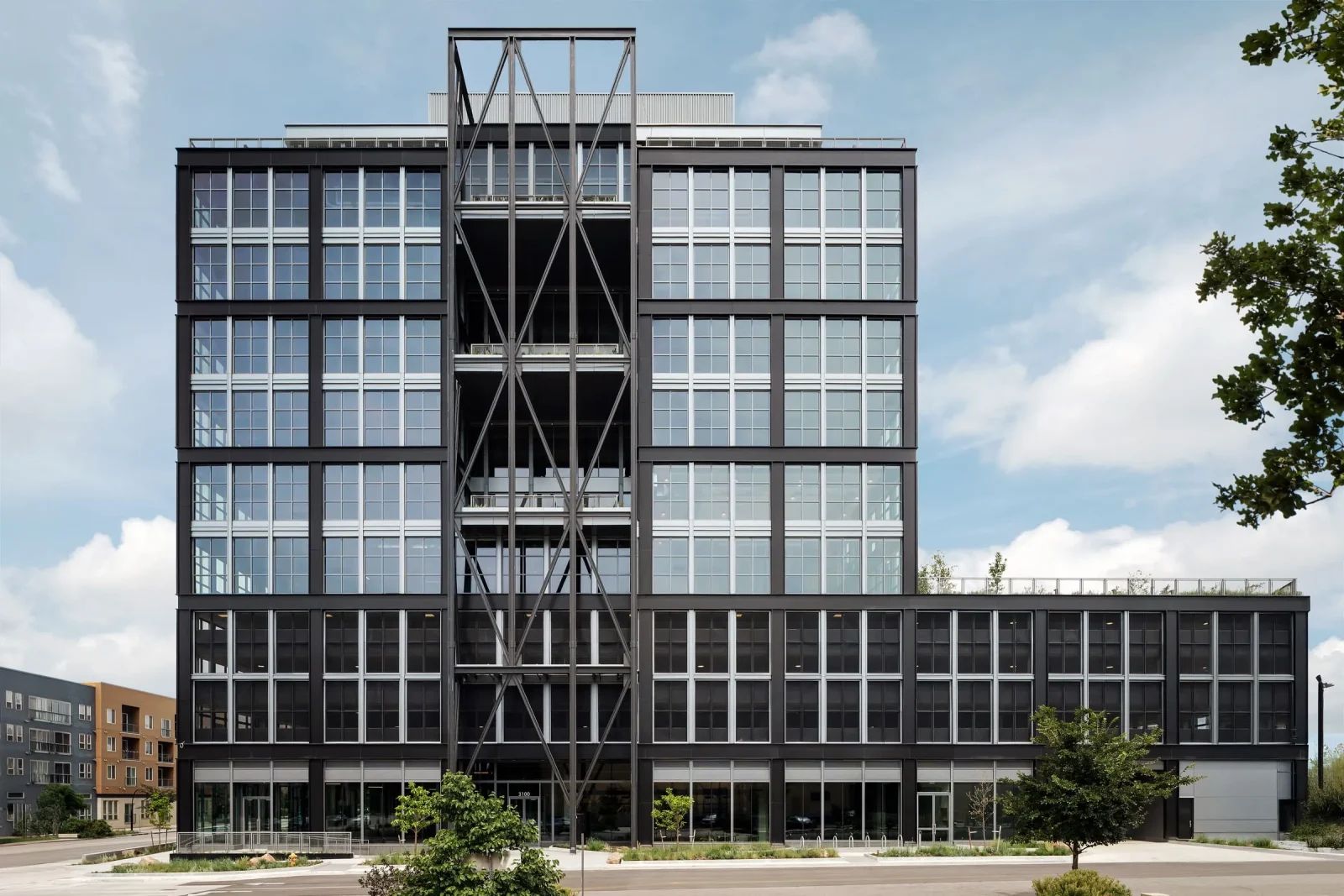
Steel House Denver by Morris Adjmi Architects Blends Industrial Heritage with Nature-Centered Design
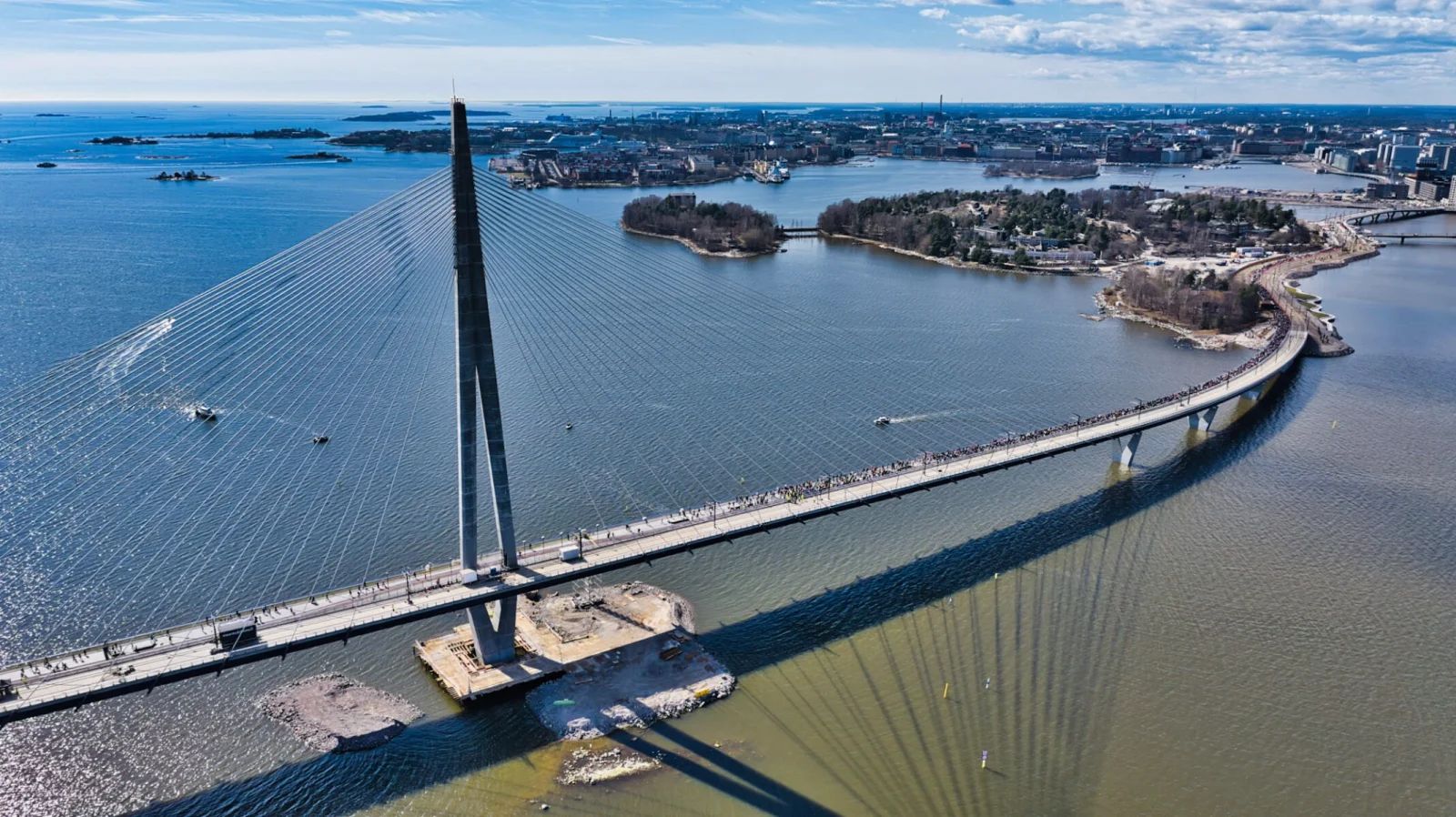
Finland’s Longest Bridge Opens in Helsinki for Pedestrians and Cyclists
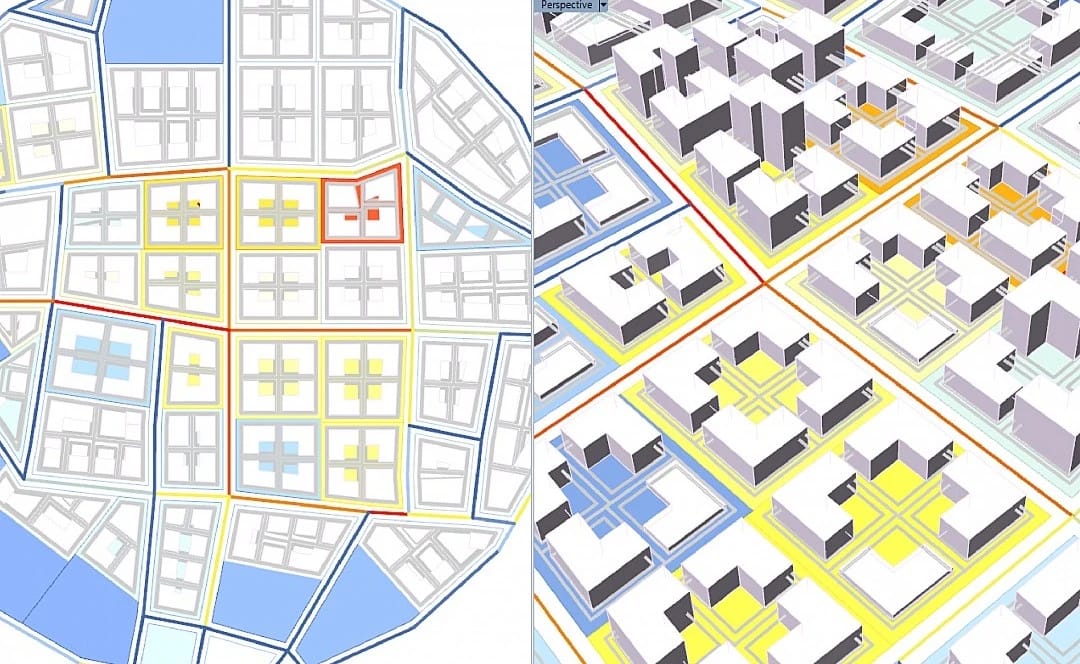
Top 10 Grasshopper Plugins for Urbanism and Masterplanning
Kengo Kuma Integrates Sculptural Arches into a Gothic Cathedral Entrance in France