- PA Newsletter
- Posts
- Material Intelligence in Architecture
Material Intelligence in Architecture
Material intelligence and stone architecture redefine climate-responsive sustainable design.
Dear PA Reader,
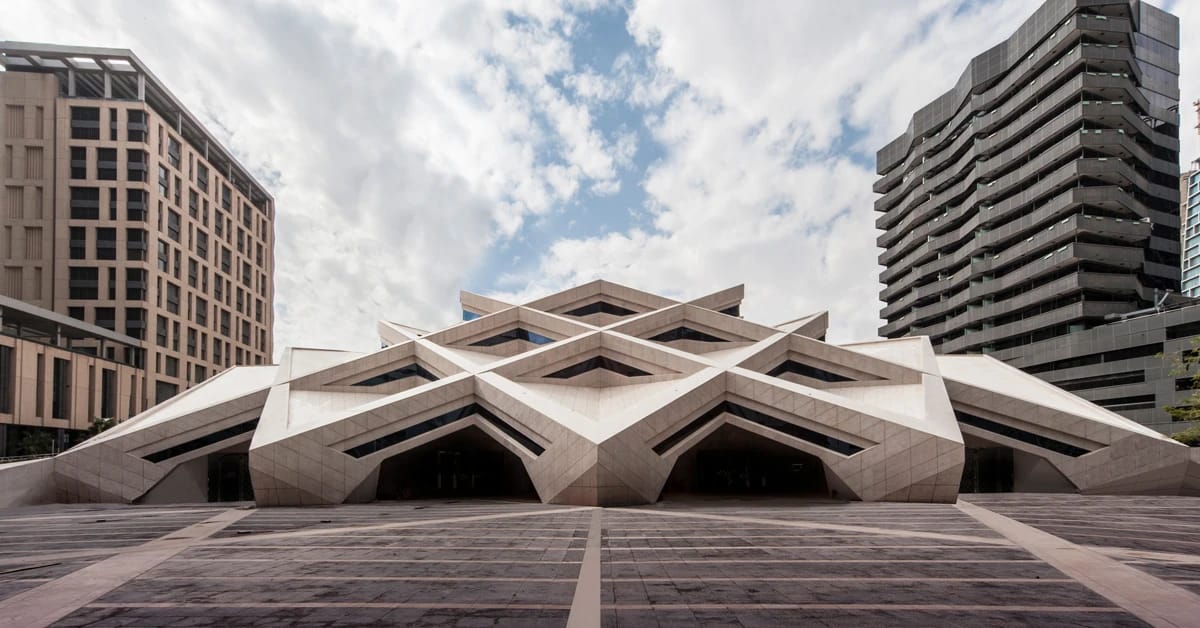
Stone is re-emerging as one of architecture’s most intelligent materials, reclaiming structural authority through durability, thermal performance, and low-carbon potential. Designers are moving beyond steel-and-glass uniformity to rediscover the tactile richness and permanence of stone architecture, creating buildings that feel grounded, timeless, and environmentally responsive.
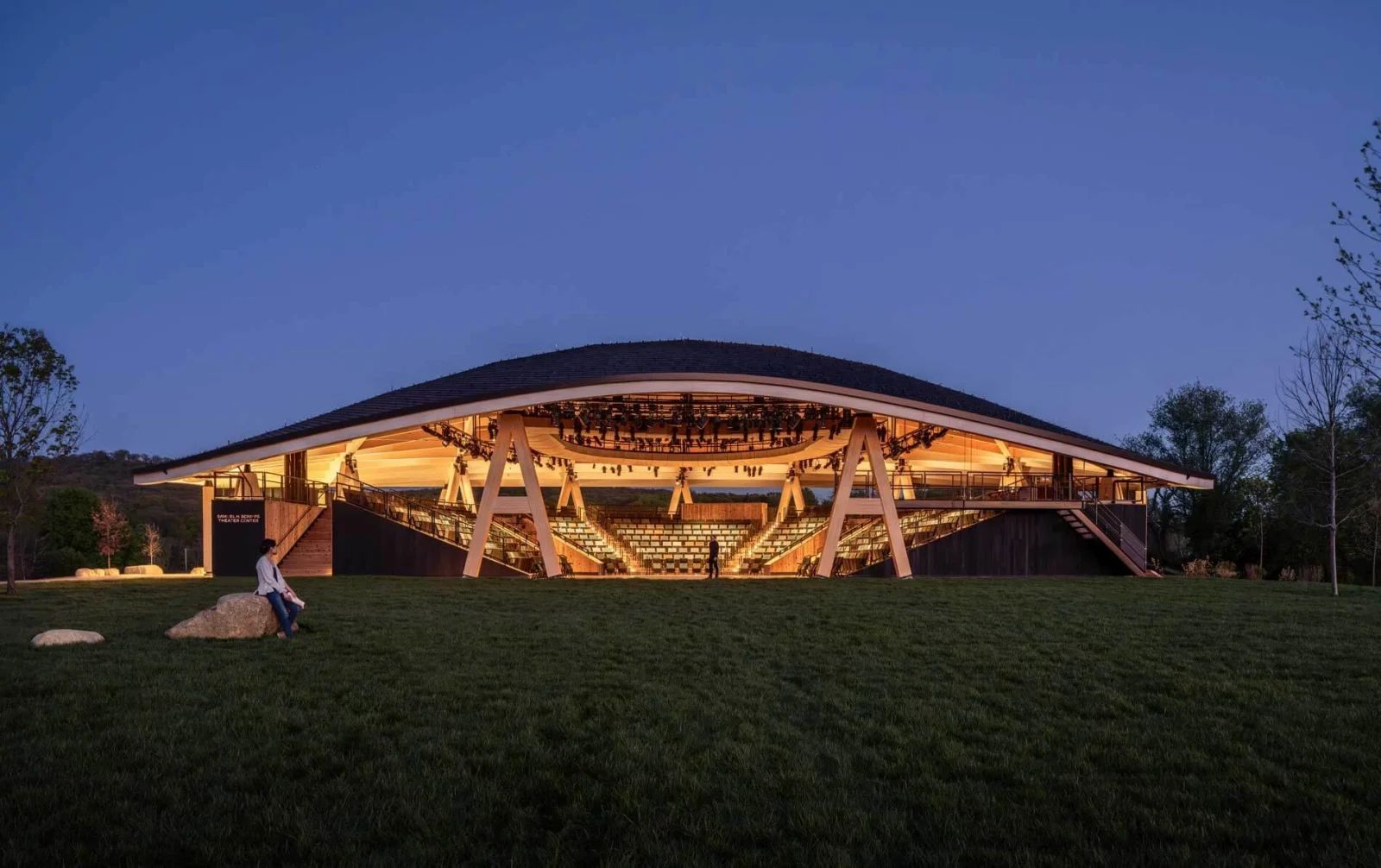
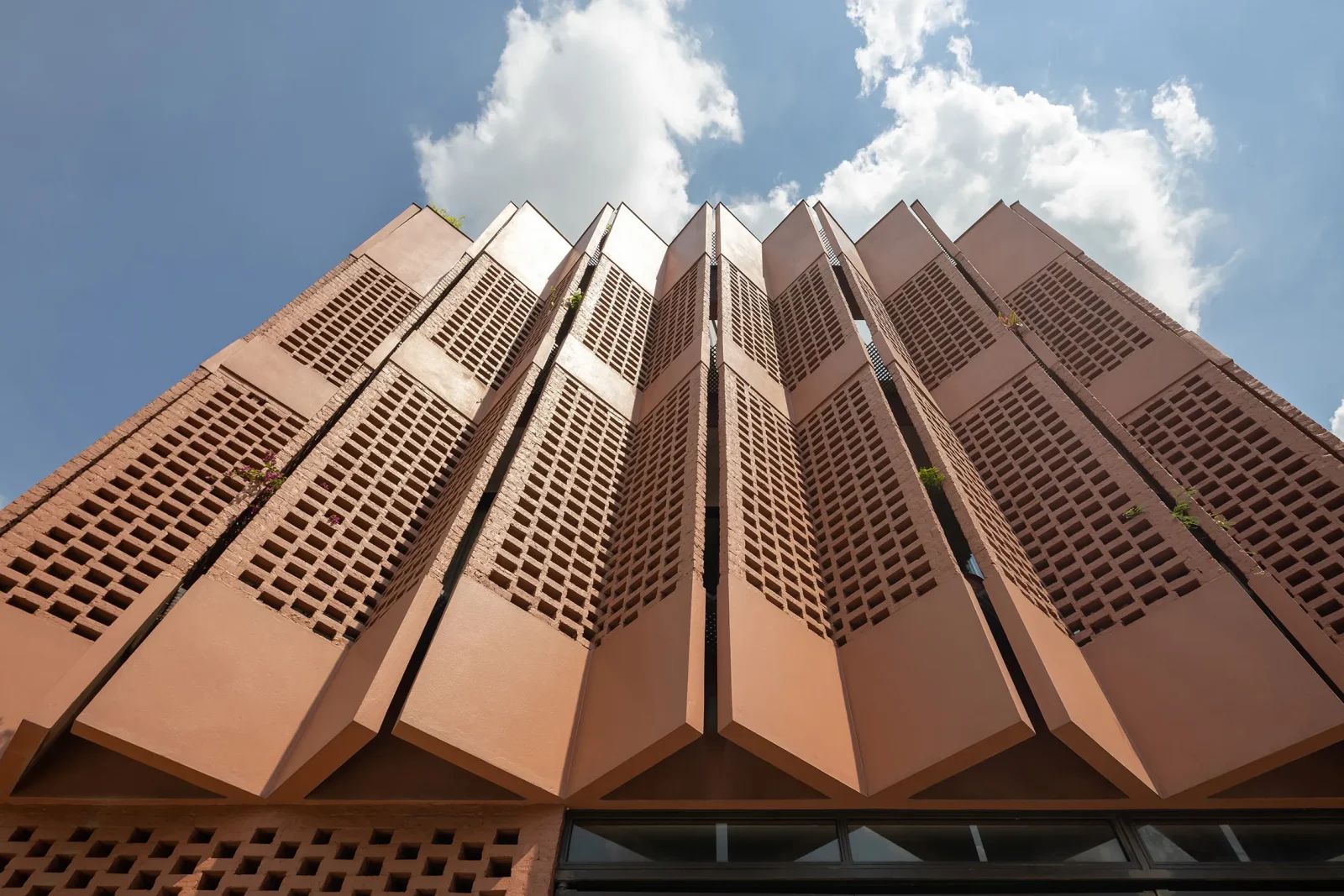
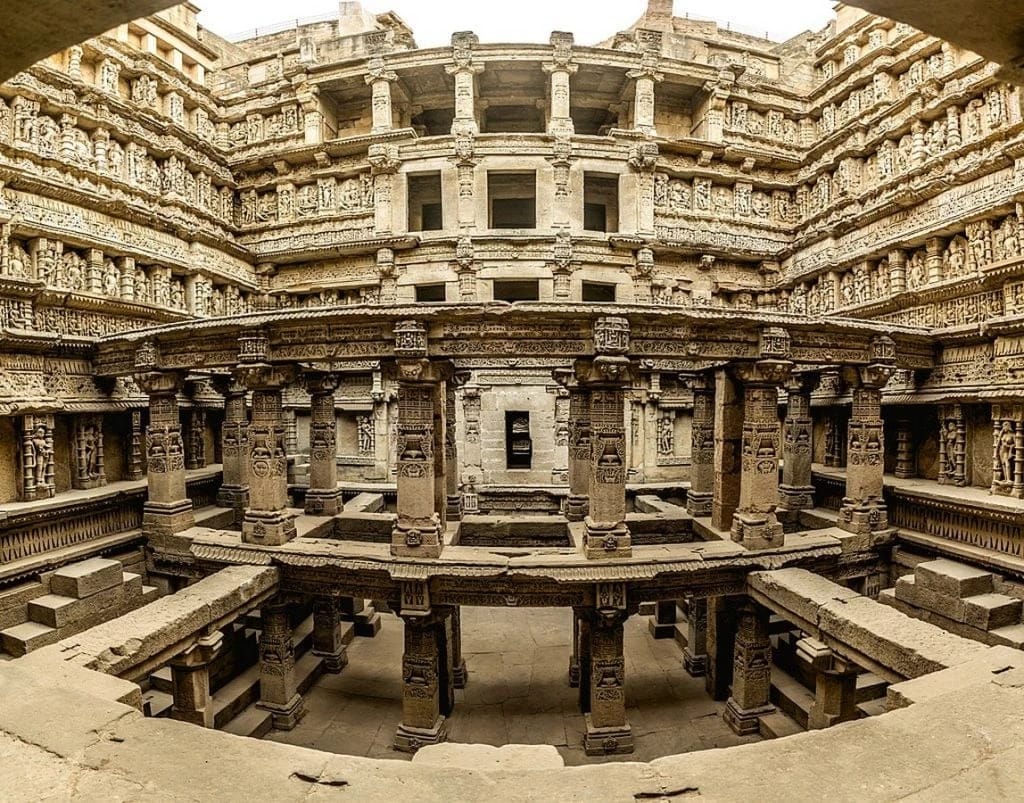
This renewed focus on material intelligence connects ancient construction wisdom with contemporary innovation. India’s iconic stepwells demonstrate how stone once shaped climate-responsive architecture through thermal cooling, water management, and monumental geometry, while projects like CUBE by H&P Architects reinterpret regional materials and passive design strategies for modern living. Studio Gang’s open-air theater for Hudson Valley Shakespeare further explores this dialogue between landscape, performance, and environmentally responsive spatial design.
The future of sustainable architecture is increasingly tied to materials that can perform structurally while reducing environmental impact. From Taipei’s vertical forest tower TAO ZHU YIN YUAN to ADU and speculative visions of climate-responsive design in 2035, architects are exploring how natural materials, adaptive systems, luxury performance, and biophilic thinking can shape resilient and emotionally engaging spaces.
🚀 If you are looking to learn about computational design, PAACADEMY offers everything you need under one Full-Access membership. Be sure to check it out!
Material Intelligence: How Stone is Reclaiming Structural Authority
TAO ZHU YIN YUAN, Taipei: The DNA-Inspired Vertical Forest Redefining Sustainable Luxury

Studio Gang Completes Open-Air Theater for Hudson Valley Shakespeare
What Climate-Responsive Architecture Could Look Like by 2035?

 AI-Powered Interior Design in Architecture 2.0This workshop is designed to introduce a new generation of AI-driven workflows specifically tailored for interior designers. Participants will explore how to combine powerful AI tools to accelerate every phase of the design process. The workshop is scheduled for June 6 & 7, 2026. |  Introduction to AI City Urban Design in Grasshopper & ComfyUI:The workshop introduces current trends in the use of generative AI in architectural design and answers the questions: why use AI, and what tools can be utilized to create a complex project based on a concept formulated with AI? The workshop is scheduled for May 23 & 24, and May 30 & 31, 2026. |
CUBE by H&P Architects is a Climate-Responsive Brick Home Inspired by Vietnamese Tradition
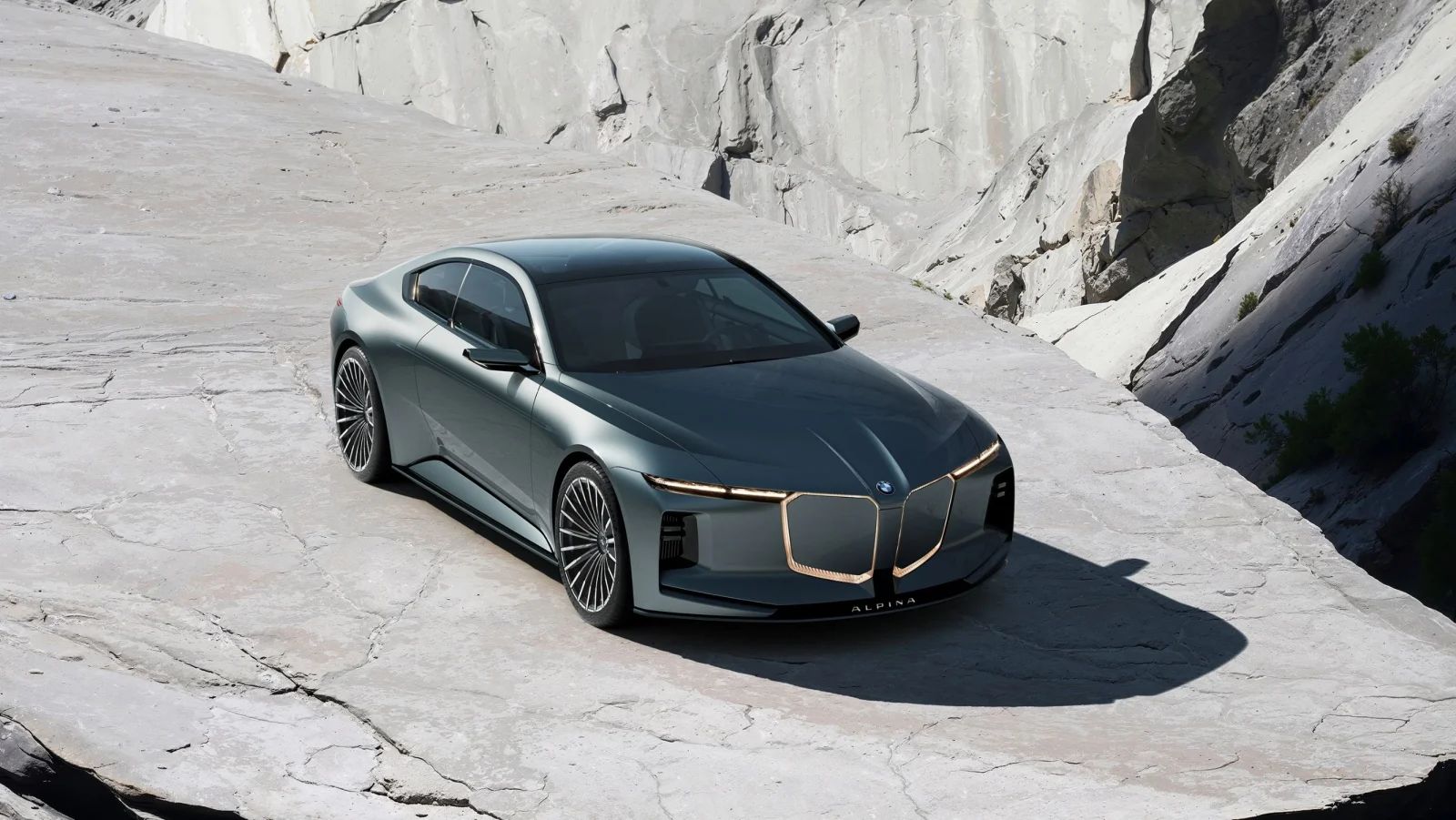
BMW ALPINA Introduces a New Era of Luxury Performance
10 Iconic Stepwells That Showcase India’s Architectural Legacy
ByBen Transforms a Compact ADU in Los Angeles Into a Sculptural Backyard Retreat
