- PA Newsletter
- Posts
- LEGO Smart Brick
LEGO Smart Brick
A Tiny Computer Inside a Classic 2×4 Brick!
Dear PA reader,
LEGO unveiled its Smart Brick, a programmable, sensor-enabled evolution of the iconic toy that reframes physical play as an entry point into computing, while Hyundai Motor Group outlined a decisive shift in manufacturing by integrating Google AI into Boston Dynamics’ Atlas humanoid robot.
The ARIA modular electric car and Google’s planned AI-powered glasses point toward a shared design logic centered on adaptability, proposing systems that evolve over time rather than being quickly replaced, whether through modular vehicle platforms or discreet, screen-light wearable interfaces expected around 2026.
Our selection of 10 products designed by starchitects shows how architectural thinking continues to migrate into everyday life, compressing spatial concepts into furniture and consumer objects, while the most anticipated supercars of 2026 reveal a performance landscape increasingly defined by software intelligence, aerodynamics, and electrification alongside raw horsepower.
🚀 If you are looking to learn about computational design, PAACADEMY offers everything you need under one Full-Access membership. Be sure to check it out!
LEGO Smart Brick: A Tiny Computer Inside a Classic 2×4 Brick

Hyundai Integrates Google AI Into Atlas Humanoid Robots

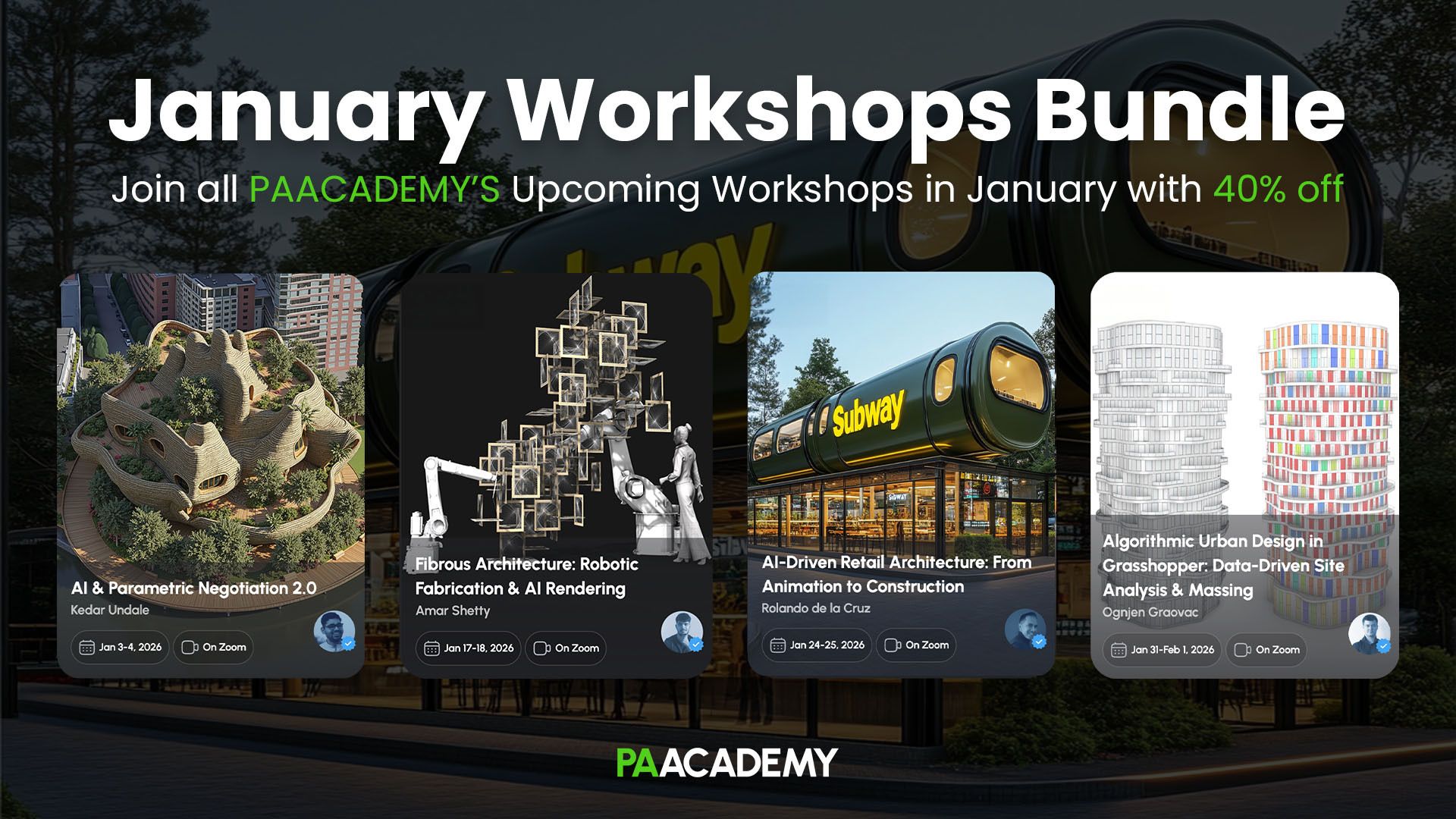
Access all PAACADEMY’s January workshops in one bundle and explore AI-parametric workflows, robotic fabrication, data-driven urban design, and AI-powered retail architecture! 🚀
ARIA EV, Modular Electric Car You Can Repair Yourself

Bianca Censori’s BIO POP Explores Contortionist Furniture Through Bodily Constraint

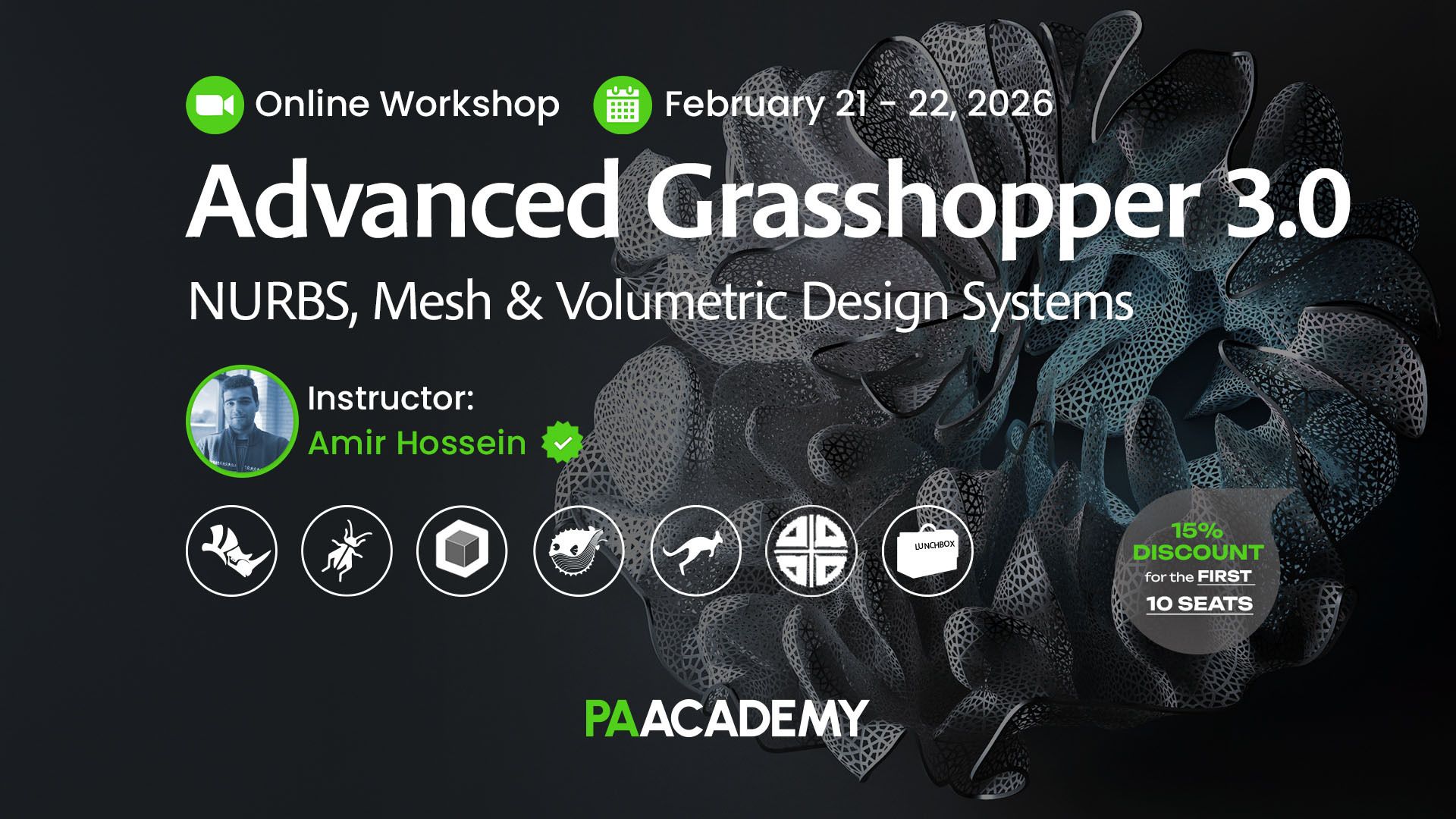 Advanced Grasshopper 3.0: NURBS, Mesh & Volumetric Design SystemsTThis workshop explores advanced Grasshopper workflows using parametric logic, data control, and hybrid modeling to create complex, performance-driven geometry. The workshop is scheduled for February 21 & 22, 2026. | 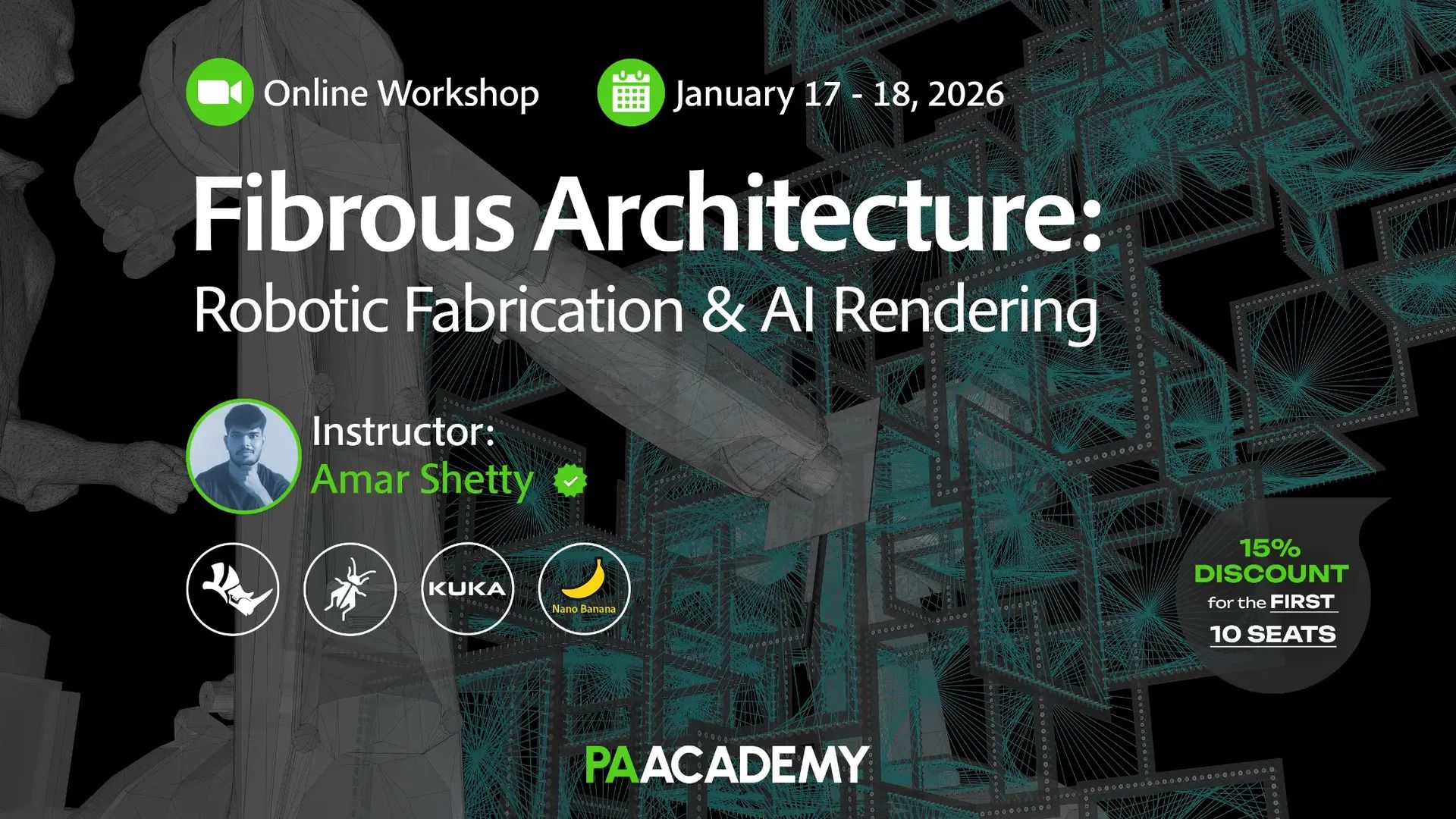 Fibrous Architecture: Robotic Fabrication & AI RenderingThis workshop teaches participants to design fibrous structures, develop manual and robotic winding workflows, and generate final AI-assisted visualizations. The workshop is scheduled for January 17 & 18, 2026. |
Google AI Glasses Set for 2026: Key Features and What to Expect

Bugatti Bolide Ends the W16 Era With Extreme Hypercar Power

10 Iconic Products Designed by Starchitects That Aren’t Buildings

10 Most Anticipated Supercars of 2026
