- PA Newsletter
- Posts
- Adaptive Futures of Architecture
Adaptive Futures of Architecture
Architecture evolving through climate, culture, and adaptive design systems
Dear PA Reader,
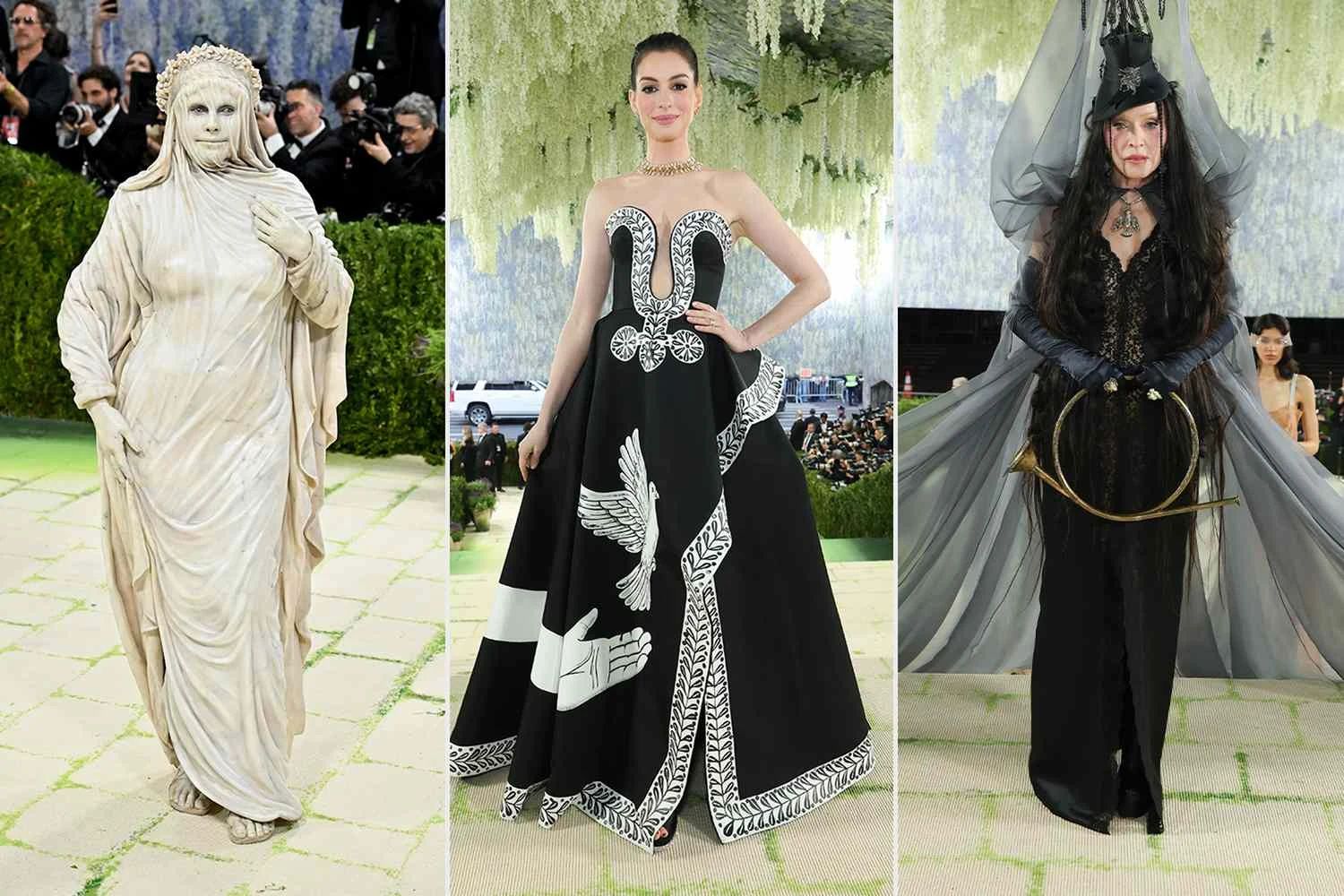
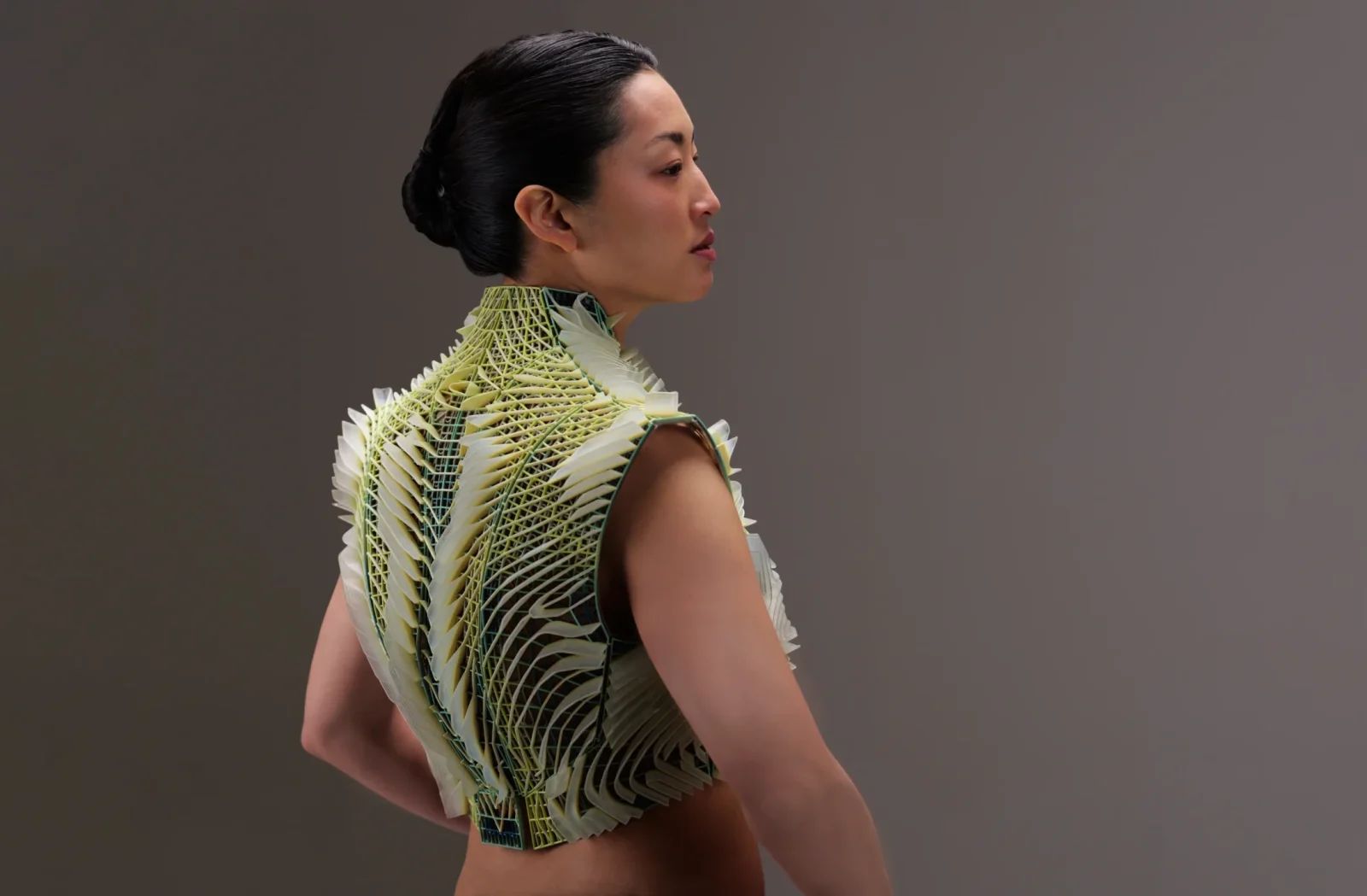
Design this week reads like a single connected story across body, building, and climate. At the Met Gala 2026, Met Gala 2026 turned fashion into sculpture with art-inspired looks, echoing the rise of adaptive system computational design, where garments behave like responsive architecture. The idea is simple but radical: what you wear is no longer static—it reacts, shifts, and adapts like space itself.
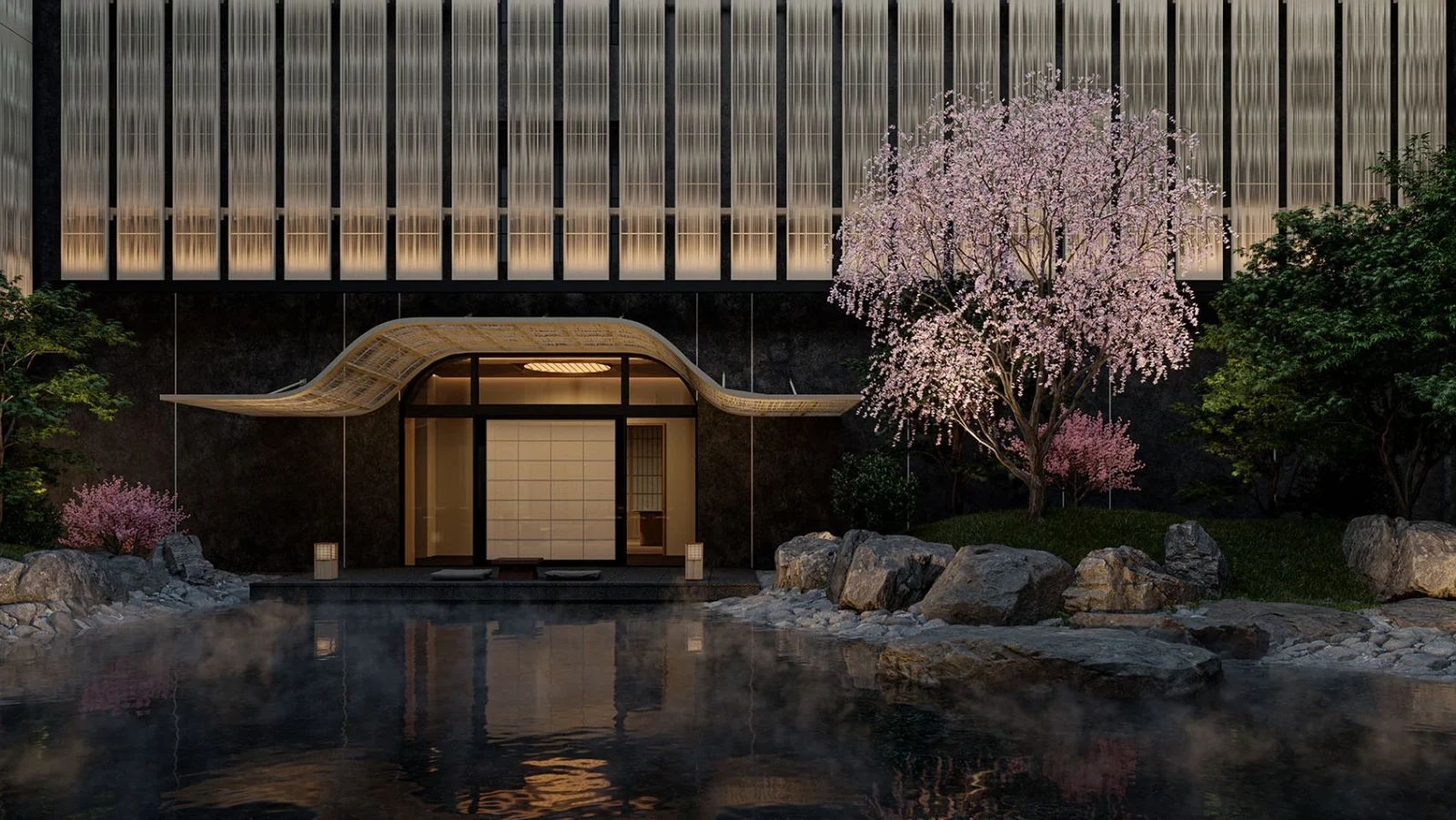
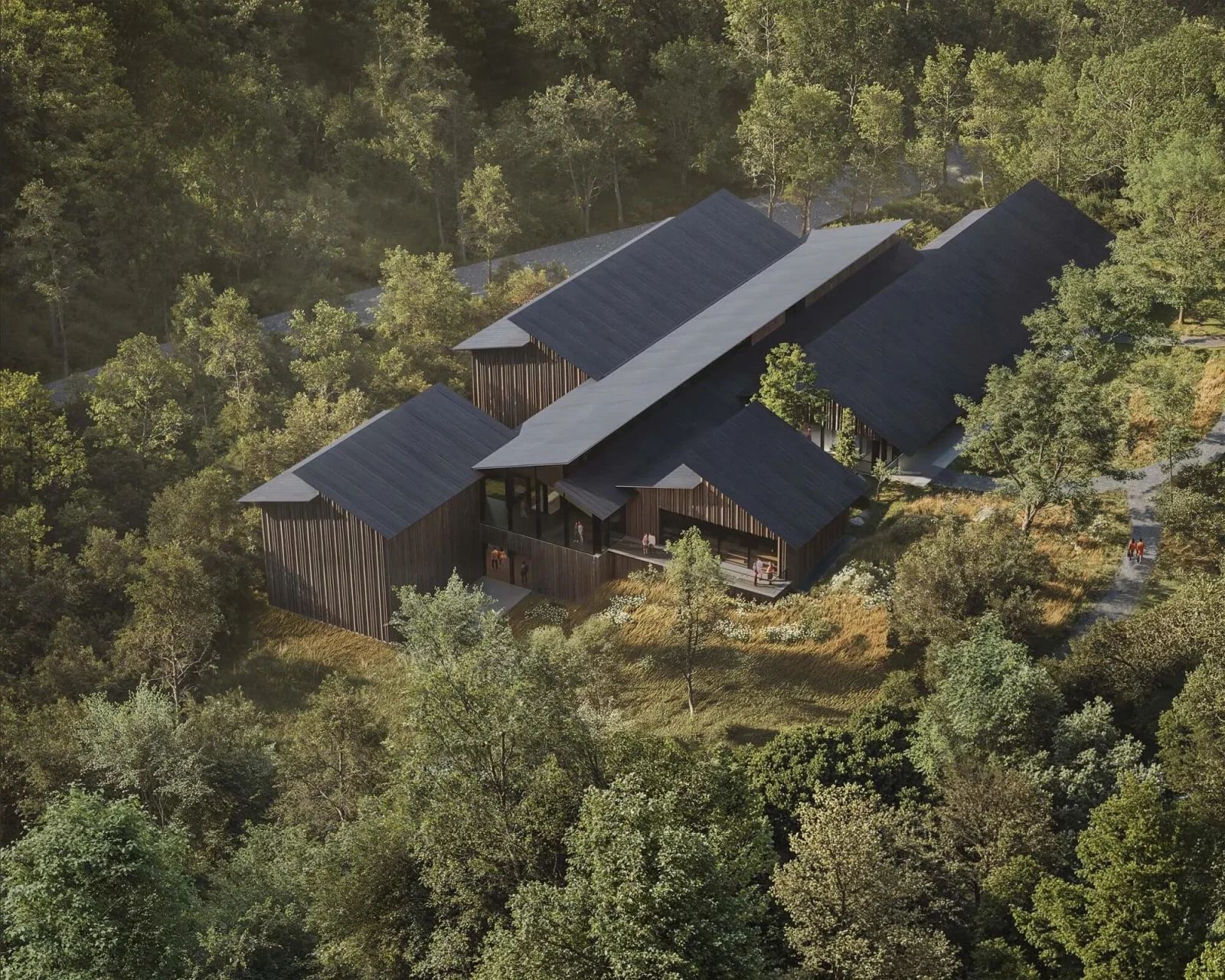
In architecture, the same sensitivity is shaping place and memory. In Norway, The Whale by Dorte Mandrup emerges from the Arctic landscape as a quiet coastal landmark. In Kyoto, Kengo Kuma translates machiya heritage into the Capella Kyoto Hotel, while museums like the Brandywine Conservancy & Museum of Art expansion continue evolving cultural space. Even the Edo-Tokyo Museum reopening by OMA signals how institutions are being redesigned for new civic life.
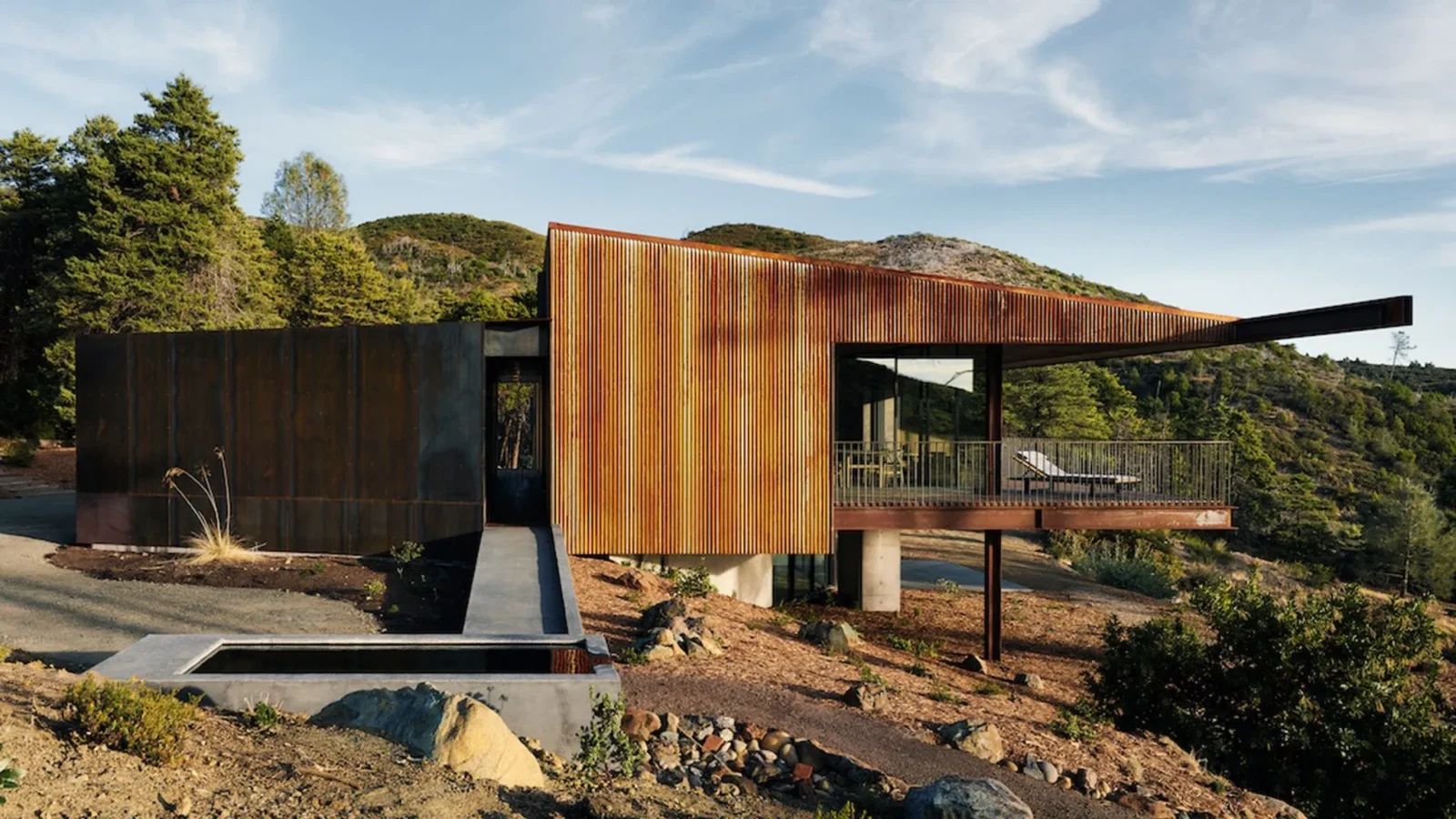
At the edge of urgency, design turns protective. Faulkner Architects explores wildfire-resilient living in California, showing how architecture is becoming a climate tool, not just a shelter. At the same time, the American Institute of Architects raises concerns over education policy exclusions that could reshape future access to the profession. Together, these threads point to a clear shift: design today is not just aesthetic—it is adaptive, political, and deeply tied to survival.
🚀 If you are looking to learn about computational design, PAACADEMY offers everything you need under one Full-Access membership. Be sure to check it out!
8 Jaw-Dropping Met Gala 2026 Looks Inspired by Art
The Whale by Dorte Mandrup in Norway, is a Coastal Landmark Emerging from the Arctic Sea

Kengo Kuma Designs Brandywine Conservancy & Museum of Art Expansion in Pennsylvania
Adaptive System: A Computational Design Methodology for Responsive Fashion
 AI-Powered Interior Design in Architecture 2.0This workshop is designed to introduce a new generation of AI-driven workflows specifically tailored for interior designers. Participants will explore how to combine powerful AI tools to accelerate every phase of the design process. The workshop is scheduled for June 6 & 7, 2026. |  Vibe Coding for Designers: Adaptive ToolmakingIn this workshop, we will discuss how to use AI tools to create custom applications, web pages, and one-off Grasshopper tools. The workshop is scheduled for May 16 & 17, 2026. |
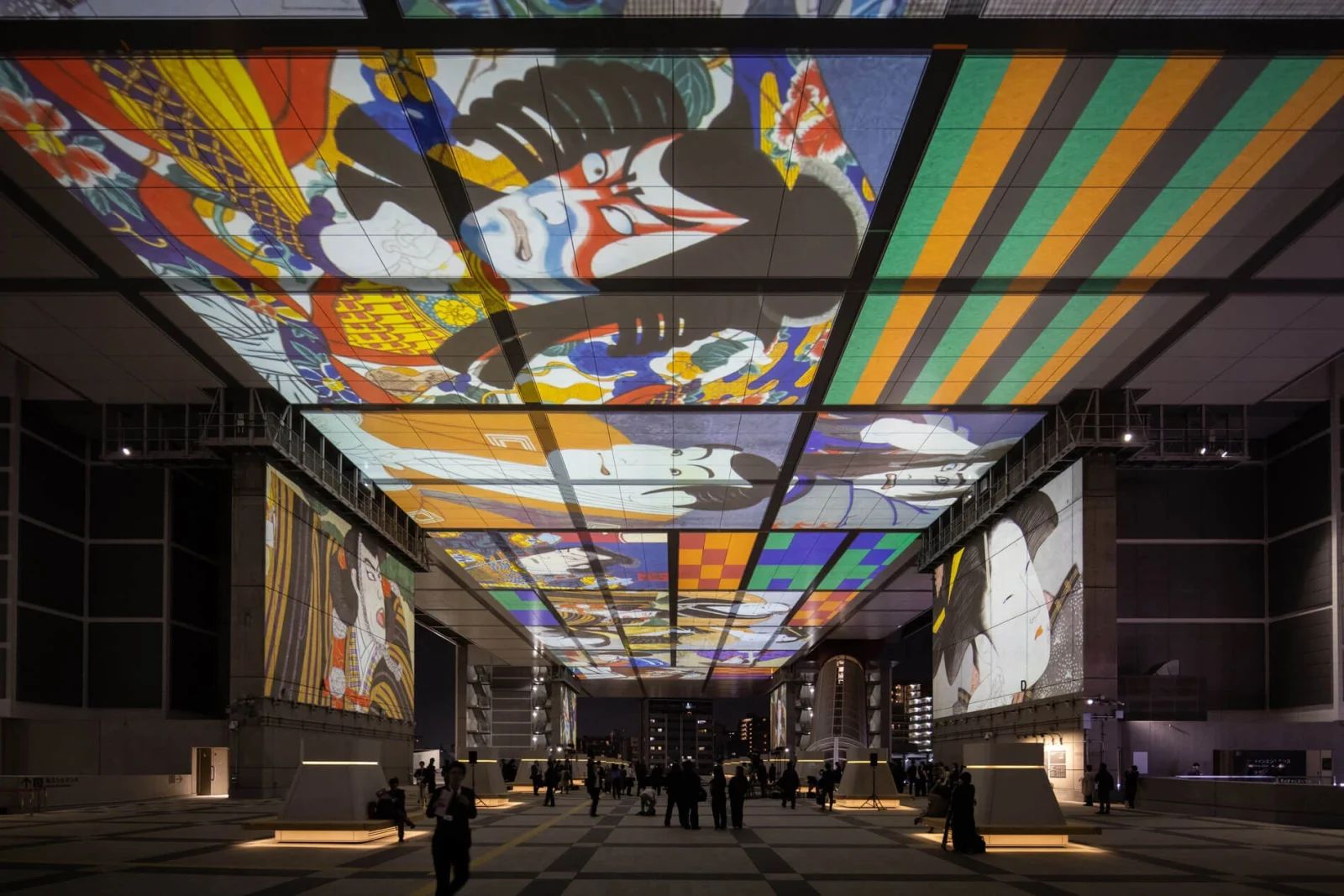
Edo-Tokyo Museum Reopens After Renovation by OMA
Faulkner Architects Designs Wildfire-Resilient Living in California’s Remote Landscapes
AIA Raises Concerns Over U.S. Education Department Over Architecture Loan Rule Exclusion

Kengo Kuma’s Capella Kyoto Hotel Translates Machiya Heritage Into Modern Hospitality